69色情片

Skip to main content

A day in the life of a sporting scholar

Find out how Bath's brightest sports stars balance their studies with training at an elite level.

The University of Bath was the first UK university to introduce sports scholarships in the mid-1970s and they have supported spectacular athletes across a huge range of disciplines, from Olympic medallists to Premiership Rugby players.

There are 40 student athletes benefiting from a scholarship at Bath, which helps them to balance their studies with their training to achieve stellar results. We spoke to a member of the British Sailing Team, a modern pentathlete and an England badminton squad player about a typical day studying hard and training harder.

Sailing to success

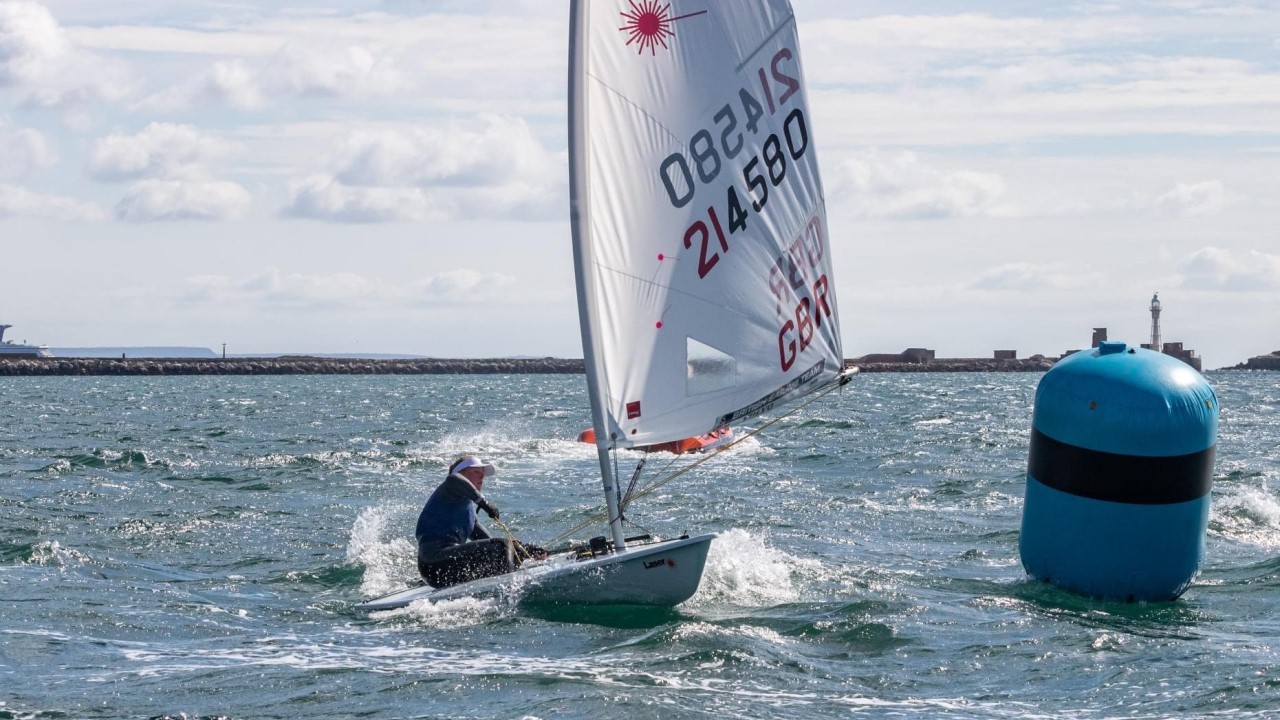
Daisy Collingridge (BSc Psychology 2022) competes as part of the British Sailing Team and spends much of her time training in Weymouth. She is supported by a Santander Sports Scholarship.


Daisy out on the water in a sailing boat

鈥淪ailing is quite an expensive sport, so the scholarship is really useful. There鈥檚 a lot of equipment that needs buying, and you鈥檝e got to have the best if you want to be racing at the top level. We do a lot of travelling, as well, so the costs really add up. That financial support is so helpful.

鈥淥n Monday, Wednesday and Friday I have strength and conditioning training, so I鈥檓 up at 7am. My session runs from 7.30am to 8.30am, then I come back and have some breakfast.

鈥淚 have about an hour and a half in the morning to sit down and do a little bit of work. Usually that鈥檚 my admin time, when I do lots of planning. I have a Zoom meeting with my coaches at about 11.30am to talk through goals for the day and plans for when we鈥檙e on the water 鈥 we sometimes also debrief from the day before, too.

鈥淲e then typically train at 12.30pm or 1pm. We go down to the boat park, which is only a 10-minute walk from our accommodation. Our sailing sessions are usually about two to three hours long, and I'm training here with one of my best friends. We鈥檙e both very competitive, which makes the training efficient and ensures we get the most out of it.

鈥淎fter coming back and having some food, it鈥檚 usually the time where I put aside around two-and-a-half hours to do work. I find it really good to do little and often, rather than leaving it all to the last minute and then having to put aside three days where, ideally, I'd want to be on the water.

鈥淚鈥檓 now in my third year of studying psychology, but I鈥檝e split it across two years to make it a bit easier. I found last year quite challenging because the workload was heavy, but I learnt a lot from it. The main thing for me is just being really disciplined.

鈥淚t is difficult trying to balance everything 鈥 especially when you're training alongside people who aren鈥檛 doing degrees 鈥 but it鈥檚 just what鈥檚 got to be done if you want to achieve in sports and studies. I鈥檝e been fortunate so far, and I鈥檝e been quite successful at both. I also really, really enjoy being busy!鈥


Five times the training

Bill Whiteley Sports Scholar Toby Price (MEng Mechanical Engineering 2023) is a modern pentathlete based at Bath鈥檚 Pentathlon GB National Training Centre.


Toby celebrating after a fencing match

鈥淭he training plan goes throughout the day, so sometimes we have to miss lectures or catch up with them later in order to train. In my first year, it was quite difficult 鈥 but 2020 was a lot easier because everything went online. It means I can train with the squad during the day and then do my work in the evenings.

鈥淢y training starts at 9am at the Sports Training Village. I start with a run 鈥 which could be a session on the track, a longer run or just an easy run out and about. That鈥檚 finished by about 10.15am and then I do some pre-pool work, such as a bit of bodyweight stuff in the gym. At 11am, I then head to the pool and do a session until about 12.15pm.

鈥淎fter swimming, I鈥檝e got about three hours until my next session. I get something to eat and then usually head to the studios at uni where I try to get as much work done as I can . On Mondays and Thursdays I have a fencing lesson from 4pm until 5.30pm, and on Wednesdays I ride during the afternoon. We have to travel about an hour and a half to the stables, so it takes up quite a chunk of the day.

鈥淎fter training, I usually go home, make something to eat and do some more studying. I have Saturday afternoons and Sundays off from training, so on those days I just try to cram in as much work as I can!

鈥淭he scholarship is really useful 鈥 for example, it means I鈥檓 able to buy food from the Sports Caf茅 during the day rather than having to prepare a meal, which takes up time that could be used for something else. Being able to do that without worrying about how much it costs means I can have more time to recover between sessions.

鈥淭here鈥檚 also quite a lot of equipment needed for pentathlon, especially for fencing. If you snap a blade, that鈥檚 拢100! Having the scholarship there to fall back on relieves a lot of the stress. If you're having to worry about trying to get a job in order to pay for these things, it can get in the way of what's really important in terms of training and studying.鈥

Photo credit: UIPM


Hitting multiple goals

Molly Chapman (BSc Sports Performance 2022) is part of the England badminton squad and is a Santander Sports Scholar.


Molly playing badminton

鈥淚鈥檝e been balancing training and education since I was about 12, so I鈥檓 quite used to managing my time. It can be quite stressful, but there's a lot of support around. My coach is fine if I need a day off, especially right after a tournament, and my course is designed for elite athletes so they understand that if I鈥檓 not there it鈥檚 because I鈥檓 travelling or trying to catch up with other work. I鈥檝e split my third year over two years to make it more manageable, especially with my dissertation.

鈥淚鈥檓 lucky that I don鈥檛 have to pay for kit as I鈥檓 sponsored by Adidas, but the scholarship really helps with fees and travel for tournaments, which are all over the world. I鈥檝e been to places like Canada and Malaysia, as well as Europe!

鈥淲hen I鈥檓 in Bath, I do strength and conditioning in the mornings 鈥 usually from 9am to 10am 鈥 and then train from 10am to 12pm. I鈥檒l then have another session in the afternoon from about 2pm until 4pm.

鈥淚 try to get in two hitting sessions per weekday and then strength and conditioning training three times per week, but it depends on my timetable and lectures. If I can鈥檛 fit in two sessions on the court during a day, I鈥檒l go to the gym and do some cardio, just to know that I鈥檓 still doing something.

鈥淚 do uni work back at home in the late afternoons and evenings. If I haven鈥檛 done enough throughout the week and I鈥檓 still stressing then I鈥檒l do some more on Saturday or Sunday, but otherwise I try to have a chilled weekend. I might get a run or a little walk in, just to stay active!

"Once I've finished my degree, I'm hoping to go full-time at the National Badminton Centre in Milton Keynes.鈥

Photo credit: Adidas Badminton

Support the next generation of athletes

Find out more about scholarships