Alumnus Professor Raymond F. Schinazi – whose discoveries revolutionised HIV/AIDS and hepatitis treatments – has funded future medical researchers for nearly a decade. Current PhD student Aida Maaz is designing a nose-to-brain drug delivery system for treating neurodegenerative diseases such as Alzheimer’s disease, Parkinson’s and brain cancer. Not only is Aida addressing one of the biggest challenges in healthcare, she will also use her knowledge to benefit her native Syria and help rebuild its pharmaceutical industry.
Tackling today's health challenges
Our research changes people's lives for the better, from understanding Alzheimer’s to improving quality of life for those with arthritis.
Your donations are critical in getting research off the ground, such as Professor Toby Jenkins’ burns dressing that changes colour when it detects infection. Support from the James Tudor Foundation, the Annett Trust and alumni kick-started the project, unlocking further funding of £1.5 million in research council grants. Now the prototype developed at Bath is being used to save lives in Burma. Long-term, it’s hoped that this technology will be rolled out across the developing world, where early warning of infection is critical.
Dr John Campbell’s research also benefitted from the generosity of our community. His studies into exercise and cancer prevention have been supported by alumnus Steven Bird, as well as a grant from the Alumni Fund. The grant was used to purchase treadmills for his studies, which enabled the University to join forces with the Royal United Hospital Bath and establish the Cancer 69ɫÇéƬ Suite.
“The treadmills have led to brilliant things and are being used by patients every day,” says John. “Since then, we have also been awarded £325,000 in research funding, including support from the World Cancer 69ɫÇéƬ Fund and Cancer 69ɫÇéƬ UK.”
Regeneration and repair
Damage to the central nervous system (CNS) can cause diseases such as Parkinson’s, Alzheimer’s and muscular dystrophy. Vlad Jarkov is attempting to give the CNS the best possible chance of healing itself by investigating materials that can convert mechanical strain, including movement, into electrical current in order to stimulate the CNS tissue and help it regenerate. His PhD is funded by alumnus Raoul Hughes and his wife Catherine.

Improving drug delivery for treatment
Our alumni-funded PhD students are carrying out cutting-edge research.
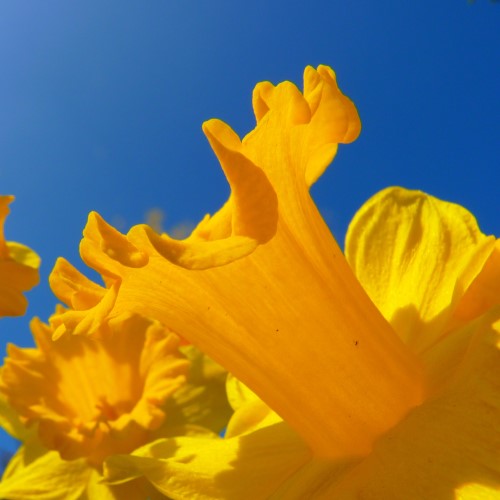
Anti-cancer drugs from daffodils
One in two people in the UK will develop cancer in their lifetime and many diseases remain difficult to treat. With support from the Alumni Fund, Dr Lorenzo Caggiano is developing drugs based on molecules originally found in daffodils to treat brain tumours. It stemmed from the observation that these flowers inhibit the growth of other plants, which led to the discovery that they also inhibit cancer and, in particular, brain cancers that currently have a poor prognosis.
Help us continue to improve medicine for everyone