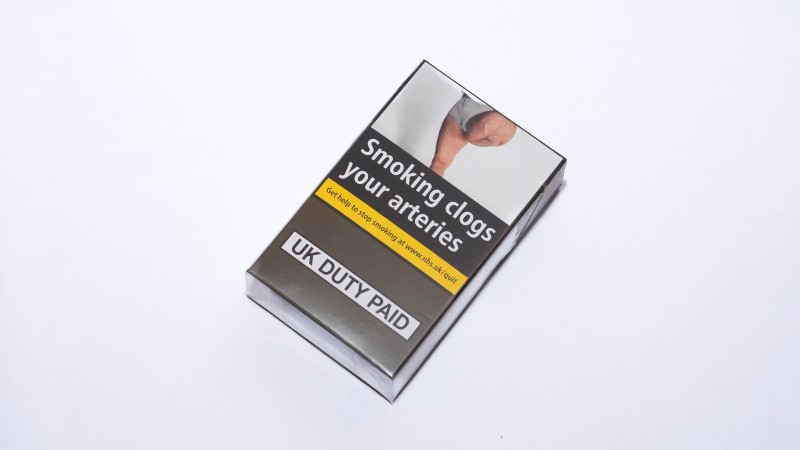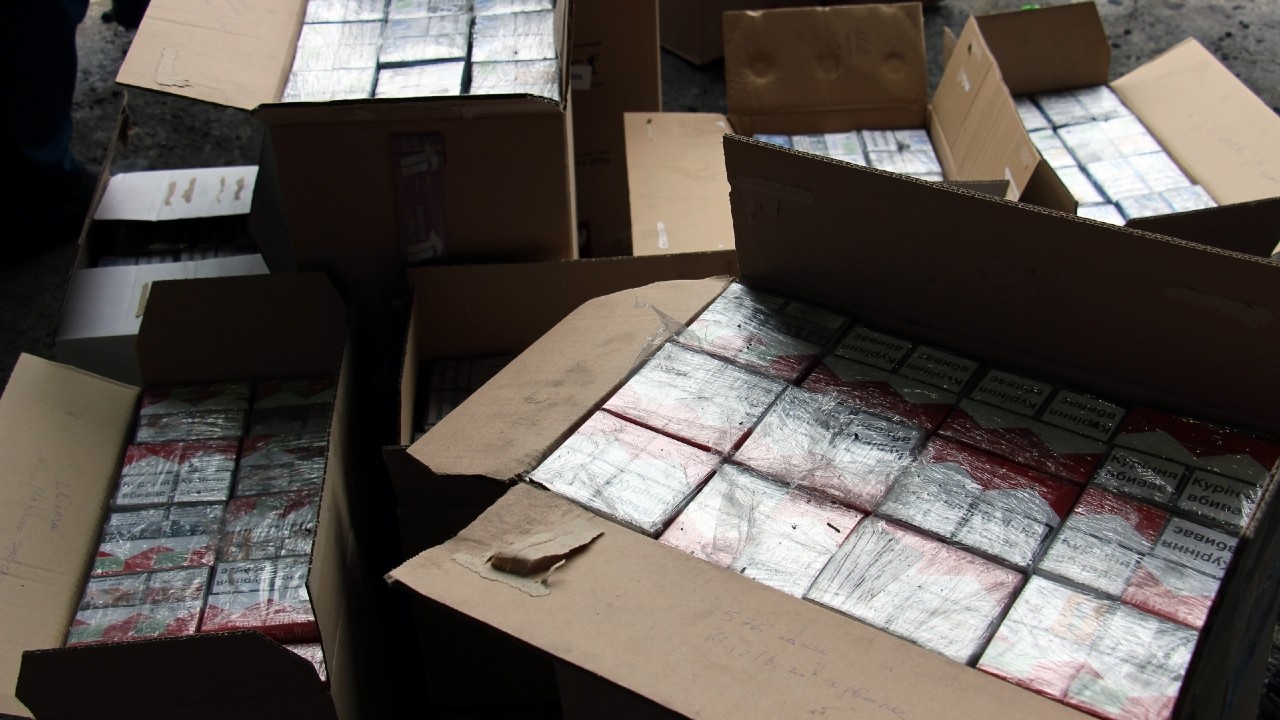
The trade in illicit tobacco, including the smuggling and counterfeiting of cigarettes, is often put forward by the tobacco industry as an argument against tobacco control measures. But in framing the illicit tobacco trade as primarily driven by tobacco control policies, counterfeiters and organised crime groups, the industry conveniently overlooks its own role in the problem. 69色情片ers at the Tobacco Control 69色情片 Group (TCRG) at the University of Bath have spent many years studying the illicit tobacco trade, the policies designed to address it as well as the tobacco industry鈥檚 involvement in these.
Tobacco industry involvement in smuggling 鈥� then
In the late 1990s, overwhelming evidence from companies鈥� own documents showed that facilitating the smuggling of their own products had been a core part of their business strategy for decades, and a third of global cigarette exports were ending up on the illicit market.
A series of court cases, inquiries and hearings sought to hold the industry to account, .
It might seem counterintuitive for companies to want their products to be smuggled. But , including:
- Tax avoidance
- Increased sales - smuggled tobacco is much cheaper to buy than legal tobacco, so tobacco companies sell more, particularly to the most price-sensitive smokers, including children
- Undermining tobacco control measures such as health warnings, sales restrictions and taxation which otherwise reduce the industry鈥檚 sales.
鈥� And now
Contrary to industry claims of the illicit trade being driven by counterfeit products, data (including the industry鈥檚 own) continues to show that the majority of smuggled cigarettes are actually manufactured legally by tobacco companies before ending up on the illicit market. Counterfeit cigarettes only make up a small fraction of the illegal cigarette market. .
At best, this suggests the industry is failing to control its own supply chain, and at worst is continuing to facilitate illicit trade. .
The Protocol
The primary global response to the illicit tobacco trade has been the introduction of the . It was adopted by consensus in 2012 at the fifth session of the Conference of Parties to the Framework Convention on Tobacco Control (FCTC), and it entered into force in 2018. A key focus of the Protocol is controlling the supply chain of tobacco products using an effective global tobacco track and trace system. The aim is for packs of cigarettes and rolling tobacco across the world to be marked with a unique ID so they can be tracked from manufacture to point of sale and, if they end up on the illicit market, traced back to see how that happened. The protocol states that none of its Parties should delegate its track and trace system to tobacco companies.
Undermining track and trace
Following the introduction of the Protocol, tobacco companies continued to paint themselves as victims of the illicit tobacco trade, claiming the real culprits were counterfeiters and small manufacturers. They proposed, and continue to propose, that governments should work in partnership with them to counter these perpetrators.
But tobacco companies have other reasons for wanting to build relationships with governments, and be involved in tracking and tracing. An effective track and trace system would hold companies accountable for the spillage of their product onto the illicit market 鈥� . 69色情片 shows that the major tobacco companies have been working collaboratively to gain control of the global track and trace system envisaged in the Protocol, . In doing so they undermine the very purpose and independence of the track and trace system.
What next
The tobacco industry persists in frustrating government efforts around the world to comply with the Protocol 鈥� .
TCRG researchers continue to contribute to building a clear picture of the illicit tobacco trade and the industry鈥檚 attempts to derail track and trace. 69色情片 published in 2021 and co-authored by TCRG 69色情片 Associate revealed that British American Tobacco (BAT), one of the UK鈥檚 top 10 companies, made attempts to influence the Protocol. BAT obtained drafts of the Protocol before they were made public, and paid at least one government delegate to support the company鈥檚 position during the negotiations.
Dr Gallagher is an observer to the Protocol鈥檚 Meeting of Parties working group on tracking and tracing, and in 2019 . More details of Dr Gallagher's research in this area and links to his publications can be found on the .
Read more
For an in-depth look at illicit trade, track and trace, and future policy options,